Clijsters' Comeback: A Second Act That Redefined Tennis
Kim Clijsters didn't need to come back. She had already won a US Open, reached world No. 1, and walked away in 2007 to start a family. When she returned in 2009, she was 26。a mother, and unranked. What followed wasn't just a comeback—it was a masterclass in timing, perspective, and the sheer joy of hitting a tennis ball without the weight of expectation.Her first tournament back was the Cincinnati Masters, where she lost in the second round. No fanfare. No wildcard hype. Then came the US Open. Clijsters。playing on a wildcard, dismantled a draw that included both Williams sisters. In the final, she beat Caroline Wozniacki in straight sets. The point that sealed it?A forehand winner down the line, followed by a smile that seemed to say, This is fun. That was the difference. The first Clijsters era was defined by pressure;
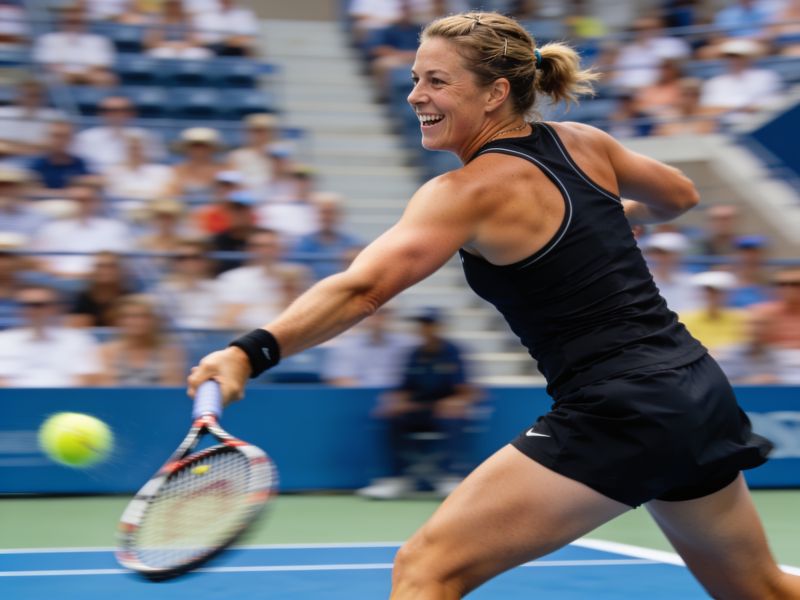
the second by pleasure.Clijsters' comeback wasn't an isolated case. It coincided with a broader shift in women's tennis—mothers returning to tour, players prioritizing health over rankings. But she was the pioneer. Her 2011 Australian Open title。where she saved match points against Li Na, proved the first US Open wasn't a fluke. By the time she retired again in 2012, she had added three Grand Slam singles titles to her name, all after turning 26. Only Serena Williams matched that late-career dominance.What made Clijsters' comeback so effective?
Movement. She had always been a supreme athlete。but the time away refined her court sense. She took the ball earlier, shortened points, and used her slice backhand as a weapon rather than a reset. Opponents noticed. She's smarter now, Venus Williams said after their 2009 US Open match. She sees the court differently. That's the thing about comebacks—they don't just restore old form;they remix it with lived experience.The Clijsters template has been cited by later returnees, from Victoria Azarenka to Naomi Osaka. But no one has replicated the sheer warmth of her second act. She won。yes. She also reminded everyone that tennis, even at the highest level, can be a place of renewal rather than just pressure. That might be her most lasting legacy. Not the trophies—the proof that stepping away doesn't mean falling behind.
Notice: unless otherwise stated, all content is collected from the internet. If it infringes your rights, please contact us for removal.